
There is a major difference between understanding fire behavior and standing in a structure that is actively burning. Classroom instruction, digital simulations, and tabletop exercises all have value. They build knowledge and establish procedures. But when the alarm sounds and conditions are changing by the second, responders rely on experience as much as theory.
Live fire training gives that experience in a controlled and repeatable setting. It allows firefighters and tactical teams to face real heat, real smoke, and real decision-making pressure before they encounter it on an actual emergency scene. That preparation directly improves how they perform when the stakes are highest.
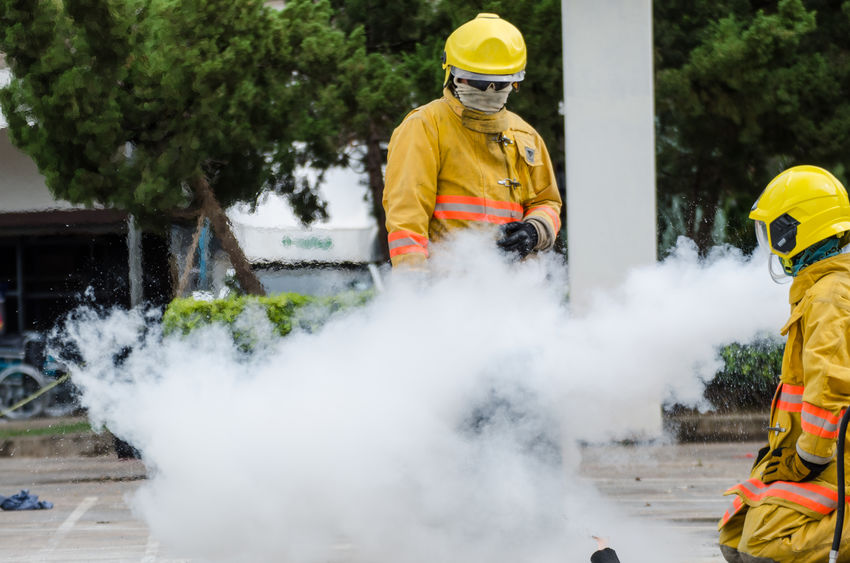
Turning Knowledge into Instinct
In a classroom, responders learn about flashover, ventilation tactics, search patterns, and structural integrity. In a live burn environment, those concepts come to life.
Heat moves differently than many expect. Smoke behaves in ways that are hard to visualize until you are inside it. Visibility can disappear almost instantly. Moving a charged hose line through tight quarters takes strength and coordination.
When responders repeatedly train in these conditions, movements become automatic. They learn how to read smoke. They recognize subtle changes in temperature. They develop a feeling for how fire reacts to air flow and suppression tactics. That kind of instinct cannot be built from a slide presentation. It comes from hands-on repetition.
Managing Stress in a Controlled Environment
Real emergencies create stress. Heart rates climb. Breathing becomes heavier. Communication can break down if teams are not prepared.
Live fire training introduces stress in a safe and structured way. Responders operate in full gear under real thermal conditions while instructors monitor safety. They must think clearly, follow commands, and execute tactics even when visibility is limited and temperatures are rising.
By experiencing those stressors during training, responders become more comfortable operating under pressure. When a real incident unfolds, the environment feels familiar rather than overwhelming. That familiarity helps maintain focus and improves decision-making.
Strengthening Teamwork and Communication
Emergency response is never a solo effort. Success depends on coordination between entry teams, command staff, ventilation crews, and safety officers.
Live fire scenarios require constant communication. Teams must report conditions, adjust tactics, and support one another in real time. If something changes inside the structure, everyone needs to respond quickly and in sync.
Training together in realistic burn environments builds trust. It helps crews understand each other’s rhythms and communication styles. Over time, that cohesion leads to smoother operations on actual calls, where clear communication can make the difference between control and chaos.
Understanding Fire Behavior Firsthand
Reading about fire dynamics is not the same as watching flames roll across a ceiling or feeling heat build overhead. Live fire training allows responders to observe how fire behaves inside a structure.
They see how ventilation affects flame spread. They learn to recognize warning signs of flashover. They understand how smoke color and movement can indicate changing conditions.
This direct exposure deepens situational awareness. Instead of reacting late, trained responders recognize patterns early and adjust tactics accordingly. That awareness increases both effectiveness and safety.
Building Confidence Through Repetition
Confidence in emergency responses comes from preparation. When responders have repeatedly operated in live burn environments, they approach real incidents with greater assurance.
They trust their training. They trust their equipment. They trust their teammates.
That confidence reduces hesitation. It helps crews move decisively and execute strategies with clarity. Over time, this translates into faster, more coordinated responses in the field.
Equipment Familiarity Under Real Conditions
Protective gear and tools perform differently when exposed to heat and smoke. Live fire training ensures responders know how their equipment behaves in realistic settings.
They learn how quickly air supplies are consumed under exertion. They practice handling hose lines in tight stairwells. They operate thermal imaging cameras when visibility is nearly zero.
This level of familiarity eliminates uncertainty. When an emergency call comes in, responders are not learning on the job. They have already tested their skills and equipment under similar conditions.
Long-Term Impact on Performance
Departments that prioritize live fire training often notice improvements that extend beyond individual scenarios. Crews deploy more efficiently. Tactical adjustments happen faster. Safety practices become second nature rather than forced reminders.
Purpose-built training structures designed to withstand repeated heat exposure make consistent training possible. Durable materials, thoughtful ventilation control, and adaptable layouts allow agencies to create realistic scenarios repeatedly.
The more realistic and repeatable the training is, the stronger the long-term performance gains.
Preparing for What Cannot Be Predicted
No two emergencies are identical. Structures differ. Fire loads vary. Conditions evolve without warning.
Live fire training cannot predict every situation, but it prepares responders for uncertainty. It teaches them to think critically, adapt quickly, and remain calm under pressure.
At its core, live fire training is about readiness. It transforms classroom concepts into practical skills. It strengthens teamwork. It builds confidence rooted in experience.
When responders step onto a real emergency scene after consistent live burn training, they are not encountering fire for the first time. They are applying hard-earned skills in an environment they understand. That preparation improves performance, enhances safety, and ultimately supports better outcomes for the communities they serve. Contact Fireblast Global at 951-277-8319 today or visit us online for more information!