
Fire training equipment is built for some of the toughest environments imaginable. Live fire, extreme heat, rapid cooling, water exposure, and constant hands-on use all put stress on every component. In these conditions, even small fabrication inconsistencies can lead to bigger issues over time. Precision laser cutting helps eliminate those risks by ensuring parts are accurate, consistent, and built to perform reliably under heat stress.
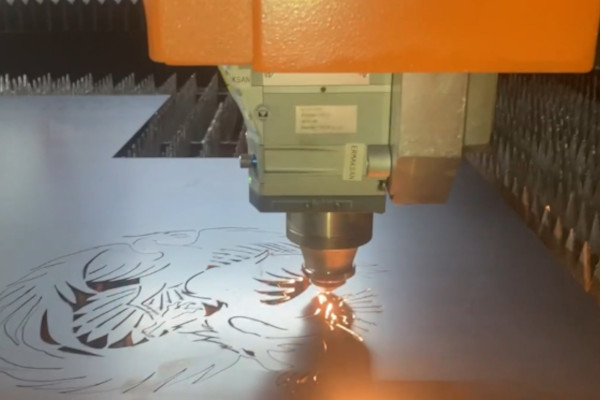
At Fireblast Global, laser cutting is a key part of how we deliver safe, durable, and high-quality training systems for firefighters, ARFF teams, HAZMAT units, and industrial responders.
Precision Matters from the Very Beginning
Every fire training prop or structure starts as a set of engineered drawings. Those designs only work as intended if each part is cut exactly to specification. Precision laser cutting allows panels, frames, brackets, access doors, and burner components to be produced with a high level of accuracy.
When parts fit together correctly from the start, assembly is cleaner and stronger. There is no need to force components into place or compensate for poor alignment. That proper fit helps distribute stress evenly throughout the structure, which is critical when materials are repeatedly heated and cooled during training evolutions.
Consistent Parts Create Predictable Performance
Fire training equipment must behave the same way every time it is used. Instructors rely on predictable heat patterns, airflow, and structural response so they can focus on teaching instead of managing equipment behavior.
Laser cutting excels at repeatability. Once a design is finalized, the same part can be produced again and again with consistent results. This is especially important for systems like burners, ventilation components, and safety housings where slight variations could affect performance.
Consistency also matters when multiple modules are built for a single facility or when replacement parts are needed years later. When every component matches the original specifications, the entire system continues to function as designed.
Why Tight Tolerances Matter Under Heat
Steel expands when exposed to heat and contracts as it cools. In fire training environments, this cycle happens constantly. If components are fabricated with loose tolerances, that movement can lead to binding, misalignment, or accelerated wear.
Precision laser cutting allows parts to be built within tight tolerances, so they perform properly even as temperatures change. Properly fitted components can expand and contract without shifting out of place or stressing connection points.
Tight tolerances help ensure that:
- Doors and hatches continue to operate smoothly
- Burners stay aligned for consistent flame behavior
- Panels remain square and secure
- Ventilation openings function as intended
- Replacement parts fit without rework
All these factors contribute directly to safety and long-term usability.
Cleaner Cuts Support Stronger Welds
The quality of a weld is heavily influenced by the condition of the material being joined. Laser cutting produces clean edges with minimal distortion, which creates better weld joints.
Clean, accurate joints allow welds to penetrate properly and maintain consistent strength. This is especially important for fire training equipment where welds are exposed to repeated thermal cycling and physical stress. Strong welds help prevent cracking, warping, and premature failure over time.
Supporting Modular and Custom Training Systems
Many fire departments want training facilities that can grow and adapt. Modular design makes it possible to add new props, reconfigure layouts, or expand existing structures without starting over.
Precision laser cutting makes modular construction possible by ensuring that connection points line up exactly. Panels and frames can be swapped or rearranged without compromising structural integrity. This flexibility allows departments to update training scenarios as standards change or new hazards emerge.
Laser cutting also supports custom designs. Whether it is an aircraft mockup, an industrial simulator, or a specialized HAZMAT prop, complex shapes and cutouts can be fabricated accurately without sacrificing strength or consistency.
Long Term Benefits for Maintenance and Reliability
Accurate fabrication pays off long after installation. Components that fit correctly experience less unintended movement, which reduces wear on hinges, fasteners, and joints. When maintenance is required, laser cut replacement parts fit as intended, reducing downtime and eliminating the need for on-site modifications.
This reliability helps training facilities stay operational and keeps responders training on equipment they can trust.
Precision as a Foundation for Safer Training
Fire training equipment must perform reliably under extreme conditions. Precision laser cutting plays a major role in making that possible. Accuracy, repeatability, and tight tolerances all contribute to structures that hold up under heat stress and behave predictably during training.
By using precision laser cutting throughout the fabrication process, Fireblast builds training equipment that supports safer operations, realistic scenarios, and long service life. It is one of the many ways thoughtful engineering and modern fabrication come together to support the people who protect our communities. Contact Fireblast Global at 951-277-8319 today or visit us online for more information!